Vishal Verma On Being 2 Legit 2 Quit: Indian and Silicon Valley Roots, Family Office Growth, And The Rise Of Sidebar Summit
In this inspiring episode of No Boxes: Just Verses, we sit down with the influential investor and entrepreneur, Vishal Verma. Are you a leader trying to navigate the high-risk world of venture capital, overcome self-doubt, or find a deeper mission in your work? Vishal's journey is a powerful testament to the value of immigrant work ethic and the idea that "failure is not an option". From his family's humble beginnings to building a global investment firm and championing education at UC Merced, this conversation reveals the mindset and persistence needed to succeed in Silicon Valley and beyond.
Vishal Verma is a General Partner at Edgewood Ventures, LLC. and Redwood Collective, LLC. He has invested in 17 top-tier venture capital and private equity firms, and holds stakes in over 20 private companies including Wiz, Anduril, Antropic, Glean, and Mistral. Vishal is a Senior Advisor to Honorable Dick Gephardt and Honorable Secretary Michael Chertoff on International Strategy, and the founder of Sidebar Summit. He is an active member of The Chicago Club, The Indus Entrepreneurs, the US India Cyber-security Track 1.5 Dialogue hosted by CFR and ORF, the Board of Trustees of the University of California at Merced, the Leadership Council at the RFK Foundation, and Best Buddies. While pursuing his MBA at Chicago Booth, Vishal founded Hyde Park Angels. He holds a B.S. in Marketing from Santa Clara University and an MBA in Finance from the University of Chicago Booth School of Business.
Watch on YouTube:
Key Takeaways:
The "Too Legit to Quit" Mindset: Vishal's immigrant father, who arrived in the U.S. with $8, instilled an unwavering work ethic, teaching him that failure is not an option.
The Power of Relationship Building: An early internship helped Vishal, a self-described high school introvert, master crucial relationship-building skills for business and life.
Growth is Slow, Death is Fast: Vishal learned from the dot-com and telecom busts that startups must focus on making money, conserving cash, and building strong fundamentals to survive.
Education is the Equalizer: Vishal believes education solves global problems and supports UC Merced to create generational change in immigrant families.
Vishal’s journey is a powerful reminder that you are the fabric of the innovation ecosystem—and you belong. What small impact will you make today to contribute? Join his community by checking out his Sidebar Summit.
Thank you for listening! If you enjoyed this episode, please follow, rate, and review the podcast!
CONNECT WITH VISHAL VERMA:
CONNECT WITH SHANNON:
LinkedIn Shannon | LinkedIn NBJV
Theme Song: Pedal to the Medal by Martin Luther (Spotify | Apple Music)
Never Quit: The Mindset of a Successful Investor
Have you ever wondered what separates a successful entrepreneur from one who gives up too soon? It’s easy to look at a venture capitalist and think their success is just about picking the right companies, but the real secret lies in their mindset. What if the most important lesson you can learn about business has nothing to do with technology and everything to do with a fierce commitment to never quitting? In a powerful interview on the "No Boxes: Just Verses" podcast, investor and entrepreneur Vishal Verma shared his inspiring story of how he built a thriving career by adopting the "Too Legit 2 Quit" mentality of his immigrant father. This article is for you if you're an entrepreneur or leader who needs to build stronger resilience to survive the ups and downs of business.
Are you ready to build a business that can withstand a storm? This content is for you if you're an entrepreneur who needs to strengthen your core business habits. You don't need a massive bank account or a perfect business plan to start. All you need is a willingness to learn from your mistakes, a strong work ethic, and the understanding that failure is not an option.
Step 1: Adopt the "Too Legit 2 Quit" Mentality
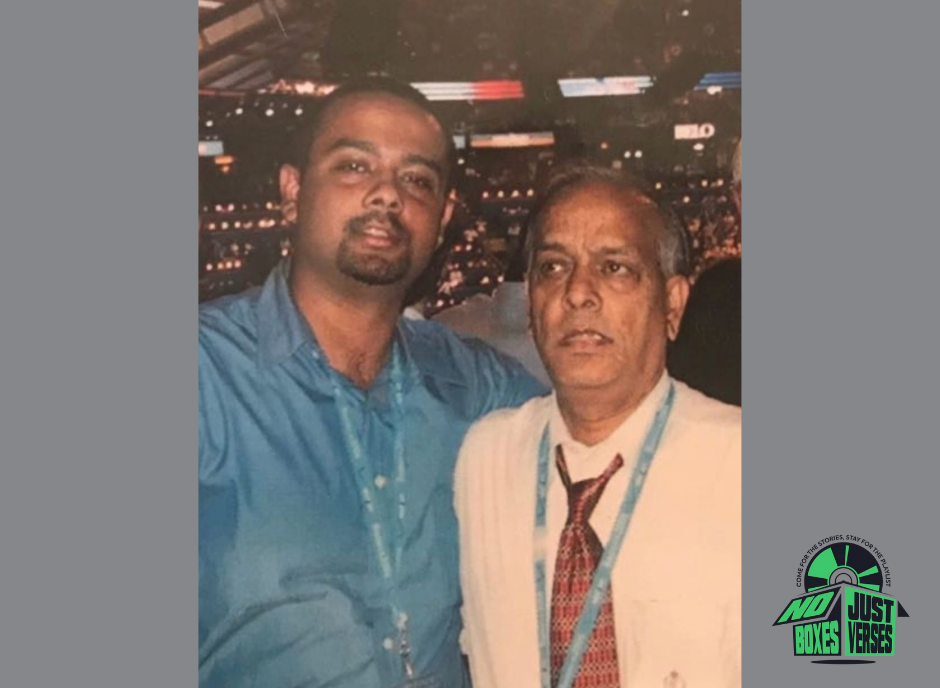
It's a common mistake to think you can achieve success without absolute dedication. Vishal's story starts with his father, who came to the U.S. with just $8 and an unbreakable dream. This experience ingrained a powerful lesson: failure is not an option for those who are building a better life for their family. This mindset of relentless work, persistence, and refusal to be turned away is what drives success in any highly competitive field, especially entrepreneurship. You must learn to lead by example, pushing harder and longer than everyone else.
Conclusion:
An unwavering work ethic and a refusal to quit are the true foundations of success.
Lead by the example of relentless effort, not just words.
Embrace the mindset that failure simply isn't an option for your mission.
Push yourself harder and longer than you think is possible.
Remember that true resilience is forged in the deepest commitment to your goal.
Step 2: Master the Soft Skill of Relationship Building
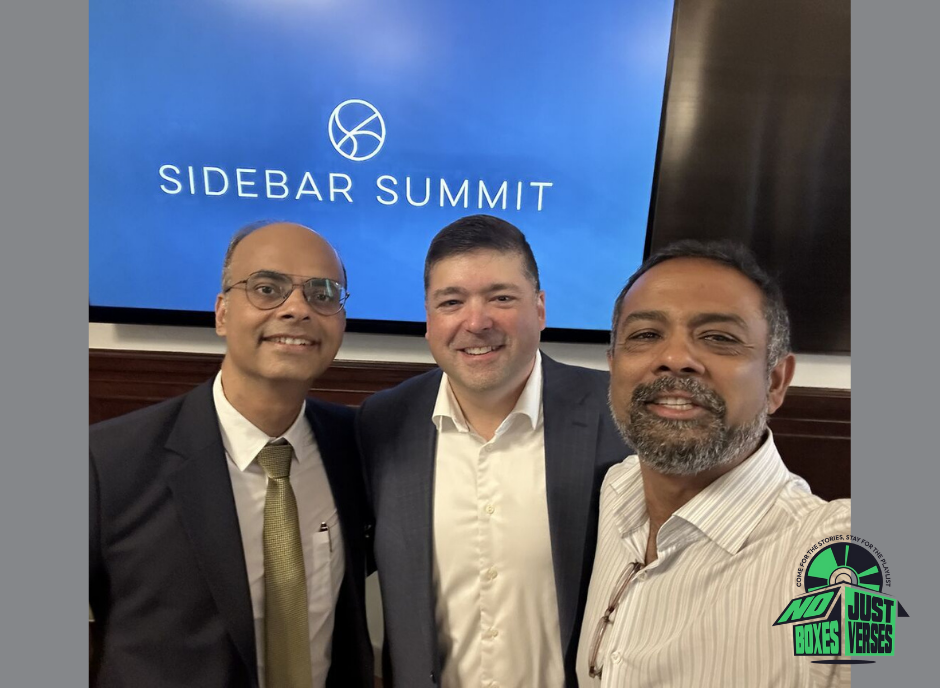
Many ambitious people, especially those who excel in technical fields, often overlook the most important skill in business: relationships. Vishal shared that he was a shy high school introvert, but everything changed when he took an internship with a politician. He learned that successful leaders, especially politicians, are masters of relationships. They know the value of human interaction, conversation, and building trust. This "soft skill," which he honed outside of school, became critical in the fast-paced, high-stakes world of Silicon Valley. You can't lead or invest alone; you need a supportive network.
Conclusion:
A leader's most valuable asset is their ability to build and maintain strong relationships.
Actively seek out experiences, like internships, that force you to interact with people.
View building relationships as a key professional skill, not just a personal hobby.
Learn to overcome any shyness by putting yourself in unfamiliar circumstances.
Remember that relationships lead to support, investment, and long-term commerce.
Step 3: Focus on Core Basics to Survive Market Busts
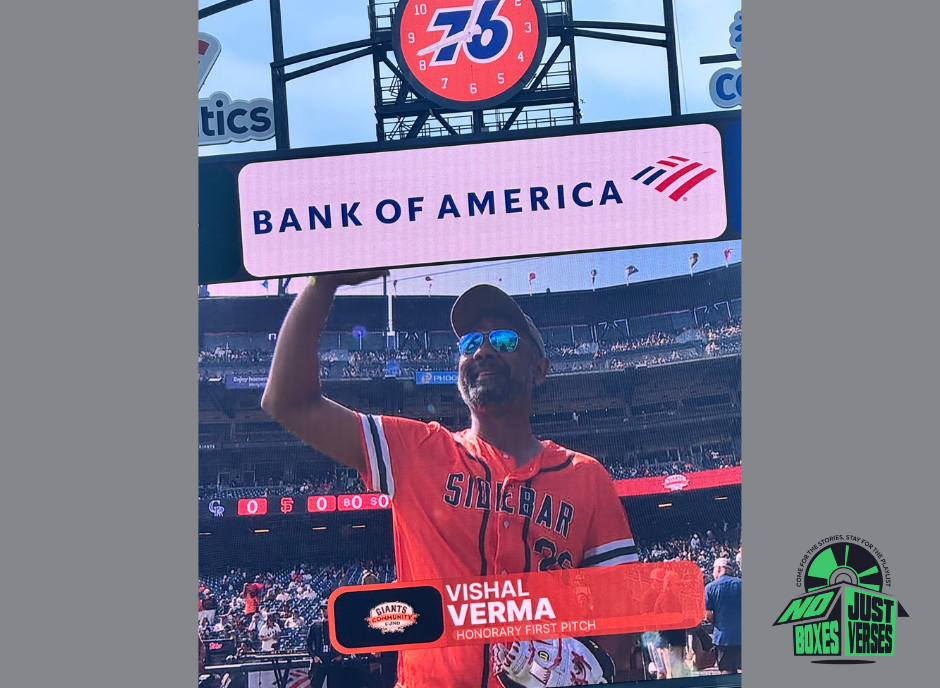
It’s easy to get caught up in the hype of a growing market, but a common mistake is chasing fast growth over strong fundamentals. Vishal learned a painful lesson during the dot-com bust of the early 2000s: "growth is steady, death is fast." He saw companies that had raised huge amounts of money go under in a single quarter because they focused on growth at all costs. The better approach is to focus on the core basics of a startup: make money, be conservative with cash, and build a good team and product. This foundational strength is what separates the long-term winners from the short-term flashes.
Conclusion:
To build a sustainable business, you must prioritize strong fundamentals over fast growth.
Adopt a financial mindset that is conservative with cash.
Focus on making money and proving your product's value early on.
Remember that good planning and a "rainy day fund" are vital for survival.
Invest in a good team and a great product—these are the strongest "bones" of your business.
Step 4: Make Education Your Ultimate Equalizer
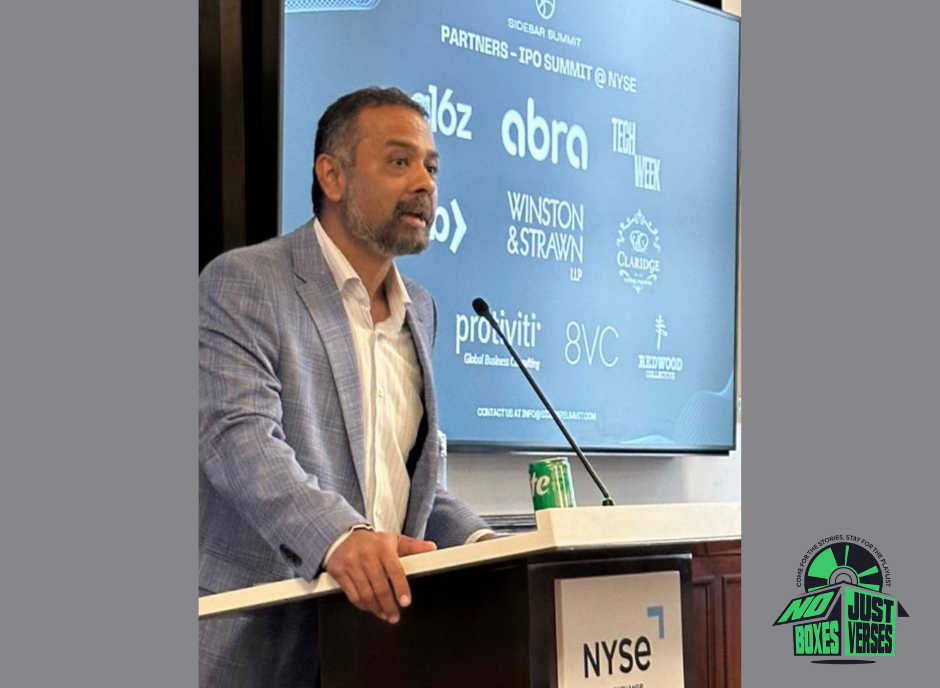
Many people view philanthropy as something separate from their career, but a leader’s greatest contribution is often their commitment to service. Vishal believes that education is the only thing that can change a human being's entire life trajectory. He recognized that his father’s education was the catalyst for his own life. This commitment to education drives his work today, especially his support for universities that provide generational change for first-time college students. He’s teaching us that true success is measured by the positive impact you have on others.
Conclusion:
Education is the ultimate equalizer and a leader's commitment to it can create a powerful, lasting legacy.
View education not just as a personal gain, but as a path to generational change.
Use your platform and time to support educational opportunities for others.
Understand that one person’s education can inspire an entire community.
Remember that the most powerful legacy you can leave is creating opportunity for those who come after you.
Conclusion: Your Unboxed Journey is Just Beginning
You've learned that a life of purpose and success is built on an unwavering commitment to resilience, relationships, and core values. Vishal's story proves that a great career is a continuous journey of evolution, where you move from working out of necessity to operating in your comfort zone—the place where you are most effective. By internalizing these lessons, you can transform your mindset and build a business that not only survives, but contributes to the innovation ecosystem.
Now it's your turn to apply these lessons. Start by asking yourself:
Final Steps to Take:
What is one area of your business where you can immediately become more conservative with cash?
Who is one person you can intentionally connect with this week to strengthen your network?
What small effort can you make today to support education in your community?
Are you operating with a "too legit to quit" mindset, or are you letting challenges slow you down?